01
Reliable income
Stable pay cycles can make it easier to plan deposits, buffers and future purchases.

How to Turn Shift-Work Income into a Multi-Million Dollar Property Portfolio Using The P.A.T.R.O.L. Framework.
The P.A.T.R.O.L. Framework™: Pinpoint → Acquire → Tenant → Revalue → Optimise Capital → Loop. The difficult part is buying the right asset, at the right price, without making the next purchase harder.


For many police, ambos, firies, nurses and defence workers, the problem is not earning money. It is turning that income into assets.
Stable pay cycles can make it easier to plan deposits, buffers and future purchases.
Extra income can accelerate a deposit when it is deliberately redirected into an asset instead of disappearing into lifestyle.
Depending on your role and posting, allowances or lower living costs can create a rare window to save aggressively.
Some eligible essential workers can access different LMI or income-treatment policies. These vary by lender and change over time.
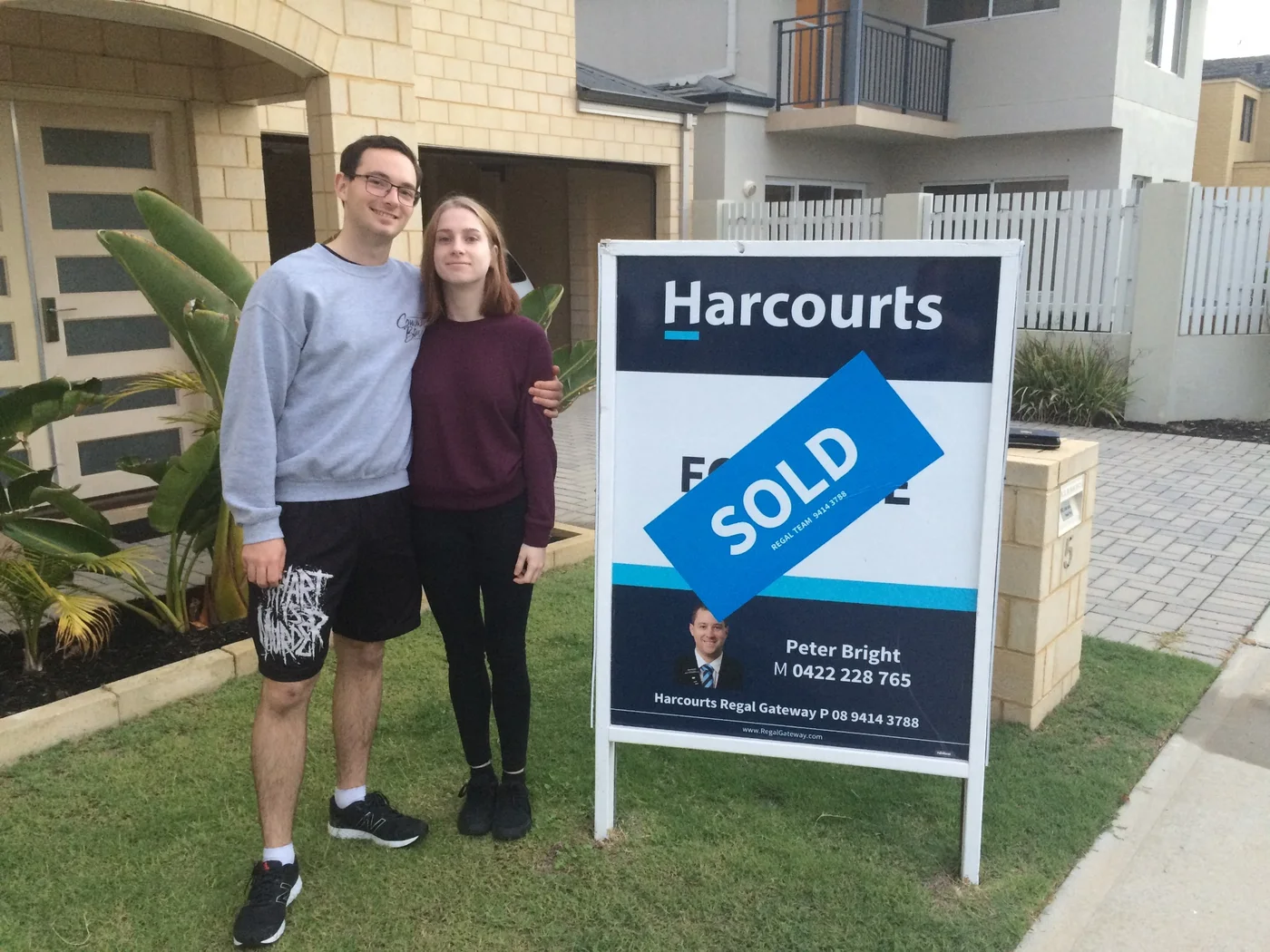
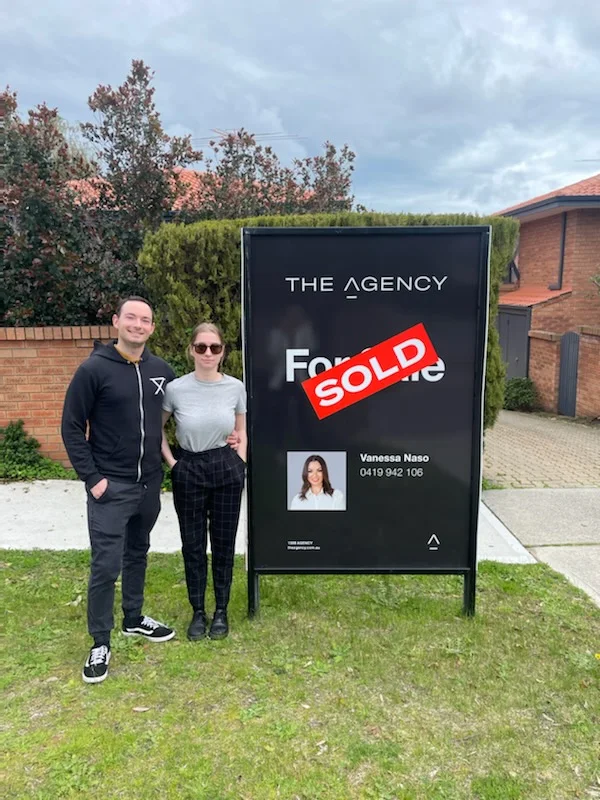
Our first property barely moved for years. That taught me one of the most useful lessons in property: simply owning real estate is not enough.
I joined WA Police at 19 and built our portfolio while working full-time shifts. Over time I became far more deliberate about market selection, asset quality, price, rent, finance and what each purchase needed to do for the next one.
Your first property is usually the hardest. The goal is to stop relying entirely on years of fresh savings for every future deposit.
Target high-performing growth corridors and off-market opportunities based on supply, demand, and vacancy evidence—not online hype.
Secure the right asset at or below fair market value/bank valuation. Buying well creates a margin of safety and instant equity from day one.
Put the property to work. Rental income supports the debt and preserves your ability to hold the property through different market cycles.
Track equity created through smart buying, market growth, debt reduction, or strategic improvements. A future bank valuation measures where you stand.
Work with essential-worker lender policies to structure loan releases and access usable equity safely—without draining cash buffers.
Deploy your recycled capital into another Property—only when your equity and serviceability numbers support it
This is where most of the work happens.
A great suburb does not make a poor property a good investment. The property has to fit the broader plan.
Comparable sales, competition and risk matter. A cheap property can still be expensive if the fundamentals are poor.
Oversupply, poor strata, weak resale demand, bad streets and the wrong property type can all make the next purchase harder.
You do not want an asset that quietly drains every spare dollar and destroys your ability to make the next move.
High yield alone does not make a property a good investment. Growth prospects, tenant demand, resale appeal and risk still matter.
Once you own property, some future deposit money may come from usable equity rather than wages alone.
A big equity number does not automatically mean you can keep borrowing. Your lender still has to be comfortable with the next loan.
Cash or accessible equity for the deposit, acquisition costs and an appropriate buffer.
Enough borrowing capacity under the lender's assessment rules to support the next debt.

My role is not to convince you to buy something. It is to find, test and negotiate a property that actually fits the strategy.
Start with your financial position, goals and sequence — not a suburb list.
Assess supply, demand, affordability, rental pressure and competing stock.
Search on-market, pre-market and off-market rather than waiting for portals to do the work.
Review comparable sales, property risk, micro-location, strata and ownership costs.
Work out what the evidence supports before deciding what you are prepared to pay.
Represent the buyer in a process where the selling agent is legally working for the seller.
Tell me where you're at, what you're trying to achieve and what you can realistically buy. If I can help, we'll map out the next step.
No pitch theatre. The property brief takes about a minute, then you can choose a time that suits you.